
Long Live the Baltic Sea – Wetlands Matter
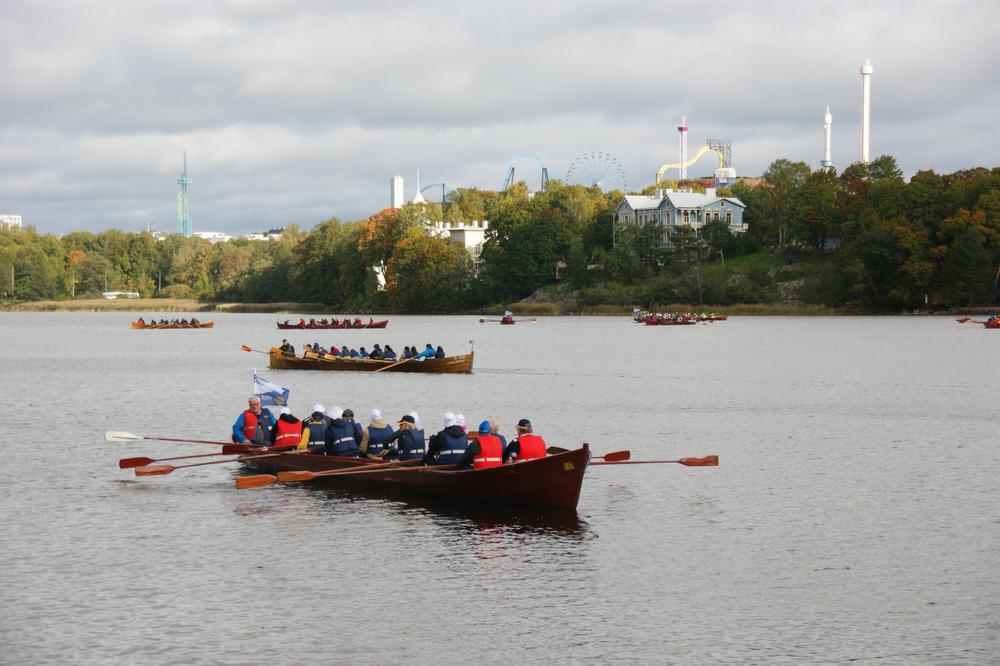
The Rotary clubs in Helsinki organize the Silakkasoutu (Baltic Herring Rowing Event) every year on the first Sunday of October, coinciding with the opening of the Baltic Herring Market. This year marks the 14th Silakkasoutu.
Each year, a theme related to the state of the Baltic Sea is highlighted for participants. This year’s theme is wetlands.
What exactly are wetlands, and why are they important?
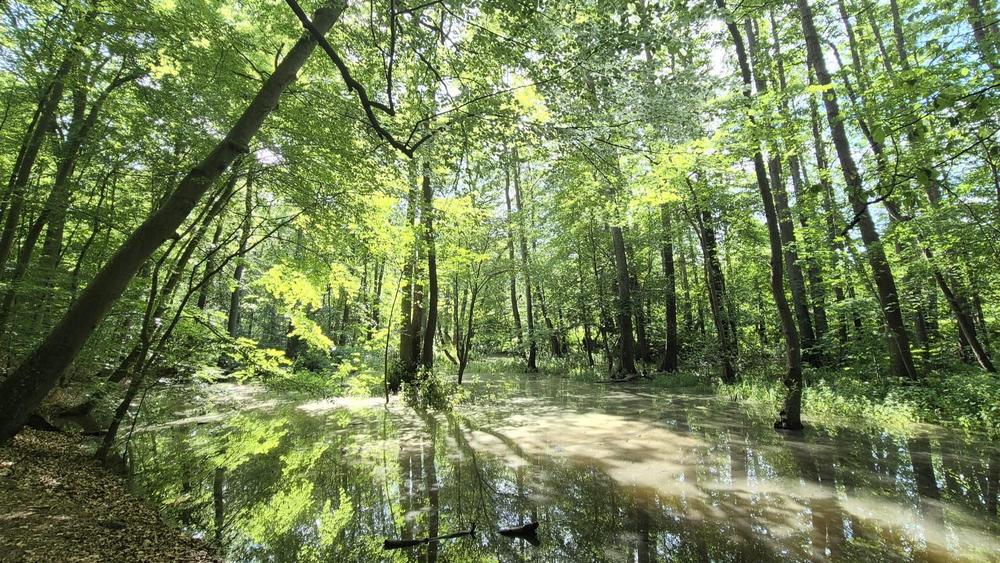
Finland once had an abundance of natural wetlands, such as swamps. They served as important water reservoirs, but many have been drained for agricultural and forestry use. This has resulted in extensive flooding and the transport of nutrients into lakes and the Baltic Sea. Constructing wetlands is an important part of ecological restoration. WWF Finland has built and restored many wetlands in cooperation with private landowners. Both local landowners and nature benefit from wetlands. Wetlands help slow biodiversity loss and increase ecological diversity.
Wetlands are treasure troves of nature, teeming with life. Their rich vegetation provides food and habitat for many species, including wetland birds. These species are threatened by the loss of suitable breeding and feeding environments. It is estimated that over 40% of the world’s plant and animal species depend on wetlands in some way. Many of these species are endangered. The abundant vegetation in wetlands also acts as an effective carbon sink.
Wetlands effectively combat eutrophication, as they absorb water like a sponge and prevent dissolved nutrients from spreading further.
By constructing and restoring wetlands, we also help lakes and rivers, which would otherwise carry nutrients into the Baltic Sea and contribute to eutrophication. Nutrients flowing from fields and forests—especially nitrogen and phosphorus—act as fertilizers for aquatic plants and cause eutrophication. This is a problem in lakes and rivers, but especially in the Baltic Sea, which receives runoff from over 250 rivers. The problem is particularly visible in late summer as increased blue-green algae blooms.
When we build a wetland that slows water flow, eutrophying substances have time to settle to the bottom. From there, they are gradually absorbed by vegetation, shifting eutrophication to the wetland instead of the Baltic Sea. Studies have shown that wetlands can retain up to 90% of the soil particles carried by water and the nutrients they contain.
Wetlands have another benefit. They can store large amounts of water and reduce flood peaks. During dry periods, they act as water reservoirs. This is important for farmers. During heavy rains and snowmelt, water collects in the wetland instead of remaining on fields. With climate change, this is increasingly important, as heavy rainfall and drought periods are expected to become more common.
(Summary prepared by retired biology and geography teacher Juha Kuronen, Helsinki Northeast Rotary Club. Source: WWF Finland, wwf.fi)
Wetlands are a timely topic everywhere!
Register for Silakkasoutu or Silakkapatikka now The last registration day is 6 September 2026!
Help us help – Finland needs more wetlands!